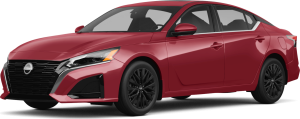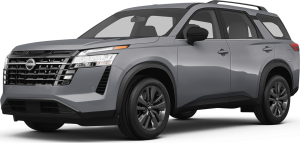
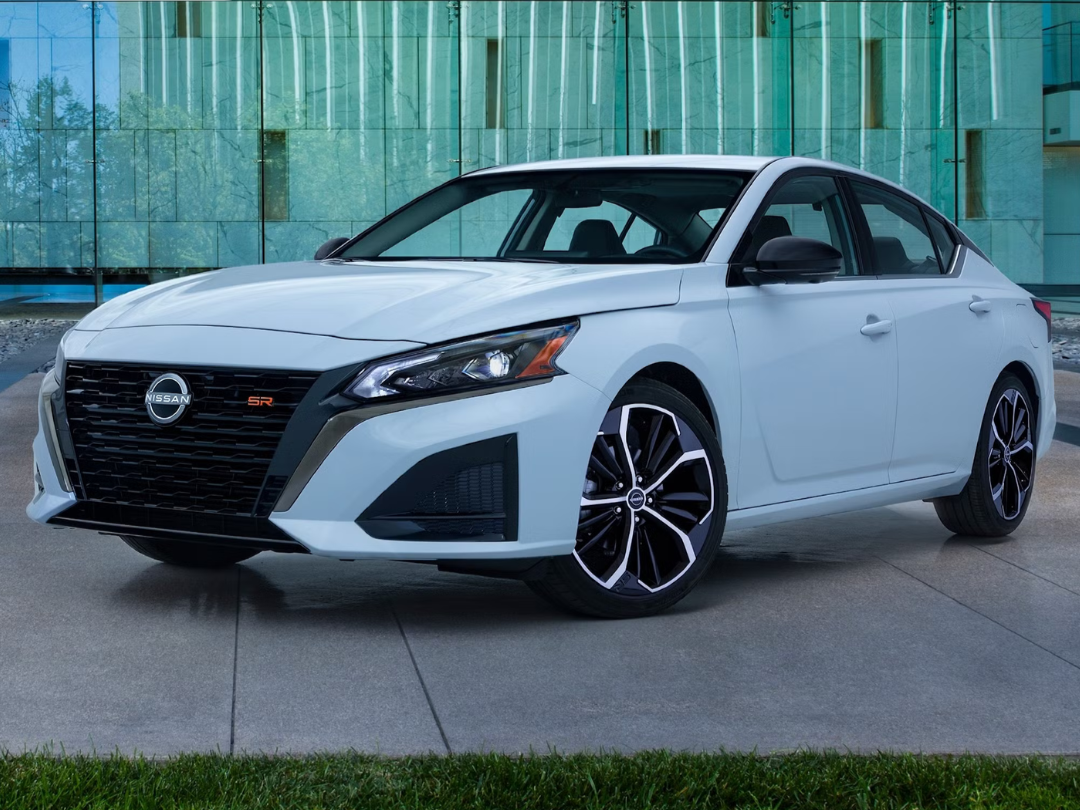
At Gardena Nissan, we are proud to serve drivers throughout Torrance, Carson, Compton, and the greater Los Angeles area. Whether you need a new Nissan Altima, a dependable Rogue, or expert service for your Sentra, our team is here to help. From sales and financing to certified parts and maintenance, we are dedicated to keeping your vehicle running at its best. If your Nissan needs attention, give us a call or visit us today.
When a Nissan begins to shake during acceleration, it can feel unsettling and raise immediate concerns. The cause may be as simple as a wheel issue or as complex as a transmission or engine problem. Understanding why your Nissan shakes when accelerating is the first step toward a safe and lasting fix, and this guide explains the most common reasons and how to address them.
Why Does My Nissan Shake When I Accelerate?
When a driver feels the car shake during acceleration, it is a clear sign of trouble. Nissan engine shaking may be caused by several issues. Some are minor, but others need fast repair to avoid harm to the vehicle.
The most common causes include:
- A tire imbalance that makes the car vibrate at certain speeds
- Loose or worn axles that fail to keep motion steady
- Engine or transmission mounts that cannot hold parts in place
- Transmission faults such as slipping belts or low fluid
An Altima or any other Nissan may show these signs when the problem grows worse over time. If the shaking is not fixed, it can spread stress to other parts. Quick checks and repairs keep the drive smooth and prevent costly breakdowns.
What Are the Most Common Causes of Nissan Shaking While Driving?
Nissan shaking when driving can come from many sources. Each cause affects the way the car feels and responds.
Frequent reasons include:
- Tires and wheels: Worn tread, bent rims, or missing balance weights
- CV joints and axles: Wear or damage that causes vibration under power or turns
- Mounts: Weak mounts let the engine shift, leading to noise and shake
- Transmission problems: Slipping gears or CVT judder often create strong shaking
A Sentra with wheel issues may only need a balance or tire change. More serious cases, like driveline faults, call for skilled service. Drivers should not ignore new shakes, since the problem can quickly lead to unsafe driving. Regular checks reduce the chance of costly damage.
Can Tire and Wheel Problems Make My Nissan Vibrate?
Tires and wheels often cause shaking when a Nissan accelerates. Even small issues can create a noticeable vibration.
Common problems include:
- Unbalanced tires: Weight is uneven, causing the wheel to wobble.
- Bent rims: A damaged rim disrupts smooth contact with the road.
- Worn or uneven tread: Reduces grip and stability, leading to shaking.
- Loose lug nuts: Wheels may not stay secure under acceleration.
If your Rogue or another Nissan starts vibrating at higher speeds, a tire or wheel inspection is a smart first step. Quick checks and adjustments can often solve the issue before it worsens. Proper tire care not only smooths the ride but also keeps your Nissan safe and efficient on the road.
How Do CV Joints, Axles, and Driveline Parts Cause Nissan Shaking?
Parts that transfer power from the engine to the wheels must stay in good shape. Worn or damaged components can cause your Nissan Altima to shake when accelerating.
Key parts include:
- CV joints: Allow smooth movement while steering and accelerating.
- Axles: Deliver engine power directly to the wheels.
- Driveline parts: Support balance and motion across the system.
If a CV joint wears out, you may hear clicking or notice stronger shaking during turns. A bent axle can create steady vibration, especially under hard acceleration. Driveline wear can also send shudders through the cabin. Catching these issues early prevents costly repairs. If your Altima shakes when accelerating, a driveline inspection is essential for safe and reliable driving.
Do Engine or Transmission Mounts Lead to Nissan Engine Shaking?
Mounts secure the engine and transmission to the frame. If they fail, the entire vehicle may shake.
Warning signs include:
- Visible cracks in mounts
- Clunking noises during shifts
- Vibration felt through the cabin
When mounts weaken, the weight of the engine is no longer held firmly in place. This allows movement that transfers shaking into the vehicle. A Nissan Rogue shaking when accelerating, or even a smaller model like the Sentra, may point to worn mounts. Replacement restores stability and protects nearby parts from stress. Ignoring mount issues can lead to further damage and unsafe driving.
Why Does the CVT or Transmission Cause Judder in a Nissan?
The transmission plays a direct role in how smoothly power moves to the wheels. A fault here often leads to vibration.
Common CVT or transmission issues include:
- Low or old fluid: Reduces lubrication and increases friction.
- Worn belts or pulleys: Cause slipping and shaking under load.
- Software or sensor faults: Disrupt smooth gear changes.
If your Rogue or another Nissan feels like it shudders when driving, the CVT may be to blame. Judder often appears during light acceleration or uphill climbs. Addressing transmission concerns early can prevent more serious breakdowns. Proper service, including regular fluid checks, is key to keeping the system smooth and reliable.
Can Brakes, Suspension, or Bearings Cause My Nissan to Shake?
Brakes, suspension, and wheel bearings each play a role in how steady a car feels on the road. When one part fails, it can create clear shaking that feels like Nissan engine shaking.
Key issues include:
- Brake rotors: Warped rotors often cause the steering wheel or pedal to vibrate when braking.
- Suspension parts: Worn shocks, struts, or bushings reduce control and create shaking on uneven pavement.
- Wheel bearings: Failing bearings can make grinding sounds and produce harsh vibration.
An Altima with weak bearings or worn suspension may seem fine at low speed, but the shaking grows worse as speed rises. Ignoring these issues risks uneven tire wear and unsafe handling. A full brake and suspension check is vital to rule out these causes.
How Do I Diagnose Where the Shaking in My Nissan Comes From?
Finding the source of vibration requires a step-by-step approach. Nissan shaking when driving may feel similar across causes, so testing matters.
Simple checks start with:
- Tires: Look for uneven wear, missing weights, or bulges.
- Brakes: Test for vibration only during stops, which points to rotor trouble.
- Steering: If the wheel shakes while turning, suspect suspension or bearings.
- Transmission: If shaking appears during gear changes, driveline issues may be involved.
A Sentra may show mild shaking that grows worse at highway speeds, which often points to balance or tire faults. If the vibration continues after basic checks, a certified technician can use diagnostic tools to confirm the exact source. Acting early keeps the issue from spreading to other systems.
When Should I Stop Driving If My Nissan Shakes?
Some shaking is mild, but other signs mean it is unsafe to keep driving. Knowing when to stop is key.
Drivers should pull over or seek service right away if:
- The vibration grows stronger with speed
- The steering wheel becomes hard to control
- Loud grinding or clunking sounds come from under the car
- The car pulls sharply to one side when braking
A Rogue that shows sudden, harsh shaking when accelerating may have a failing axle or driveline issue. Driving in that state risks full power failure, which can leave the vehicle stranded. If the shaking feels severe, it is best to stop and call for help. Safety should always come before convenience.
How Can I Prevent and Fix Nissan Shaking When Accelerating?
Prevention starts with regular care. Basic upkeep lowers the chance of the Nissan Altima shaking when accelerating and protects key parts.
Helpful steps include:
- Rotate and balance tires on time
- Replace worn brake pads before rotors warp
- Inspect suspension, mounts, and axles during each service
- Keep fluids topped up and fresh
When shaking starts, solutions vary by cause:
- Tires: May need balancing, rotation, or full replacement
- Brakes: Warped rotors require resurfacing or replacement
- Mounts: Failed mounts must be replaced to hold the engine steady
- Axles or CV joints: Often need repair or full replacement
- Transmission issues: May call for a fluid change, software update, or part replacement
An Altima with proper care runs smoothly, but fast action on early signs ensures lasting safety and performance.
Frequently Asked Issues About Nissan Acceleration
Some Nissan drivers notice shaking when pressing the gas and want to know the cause, safety concerns, and how to fix it. Understanding the answers can help prevent further damage and ensure safe driving.
Why does my Nissan shake when I press the gas?
Shaking can result from worn tires, unbalanced wheels, failing CV joints or axles, engine or transmission mounts, or transmission issues.
How do you fix a Nissan that shakes when accelerating?
The solution depends on the cause:
- Tires: balance, rotate, or replace
- Brakes: resurface or replace warped rotors
- Mounts: replace failed mounts
- Axles/CV joints: repair or replace
- Transmission: fluid change, software update, or part replacement
Is it safe to drive my Nissan if the engine is shaking?
Driving while shaking can worsen damage. Address minor shaking quickly, but stop driving if shaking is severe.
Does a bad transmission make your car shake when accelerating?
Yes, transmission issues like worn components or low fluid can cause vibrations under acceleration.
Can low oil cause my car to shake?
Low engine oil generally does not cause shaking, but it can lead to serious engine damage over time.
Explore Reliable Nissan Options Near You
If you are in Torrance, Carson, or Compton, Gardena Nissan is ready to help. Our team can guide you through our wide selection of vehicles, including the Altima, Sentra, and Rogue. Each model is built for smooth driving, even in heavy traffic or challenging conditions.
You can learn more about specific features like Rock Creek trim, compare top models with Rogue vs RAV4, or see which Reliable Nissan models work best for city traffic. Fast access to this information can help you choose the right vehicle for your needs.
Visit Gardena Nissan or call us to explore our inventory and take a test drive. For more details about common causes and solutions when your vehicle experiences shaking, see the guide on engine shaking fixes. Our team is here to answer questions and make sure your Nissan runs safely and smoothly.
Get Directions to Gardena Nissan
Disclaimer: All information is provided for general informational and entertainment purposes only. While we strive for accuracy, we cannot guarantee that all content is complete, current, or error-free. Any reliance you place on such information is strictly at your own risk. This article may include opinions and is not endorsed by, or officially affiliated with, any vehicle manufacturer or brand. Always consult official sources – such as the vehicle’s owner’s manual, authorized dealerships, or certified professionals – for the most up-to-date and personalized information.