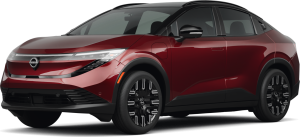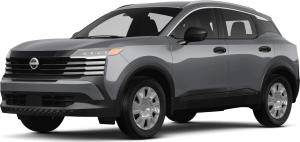
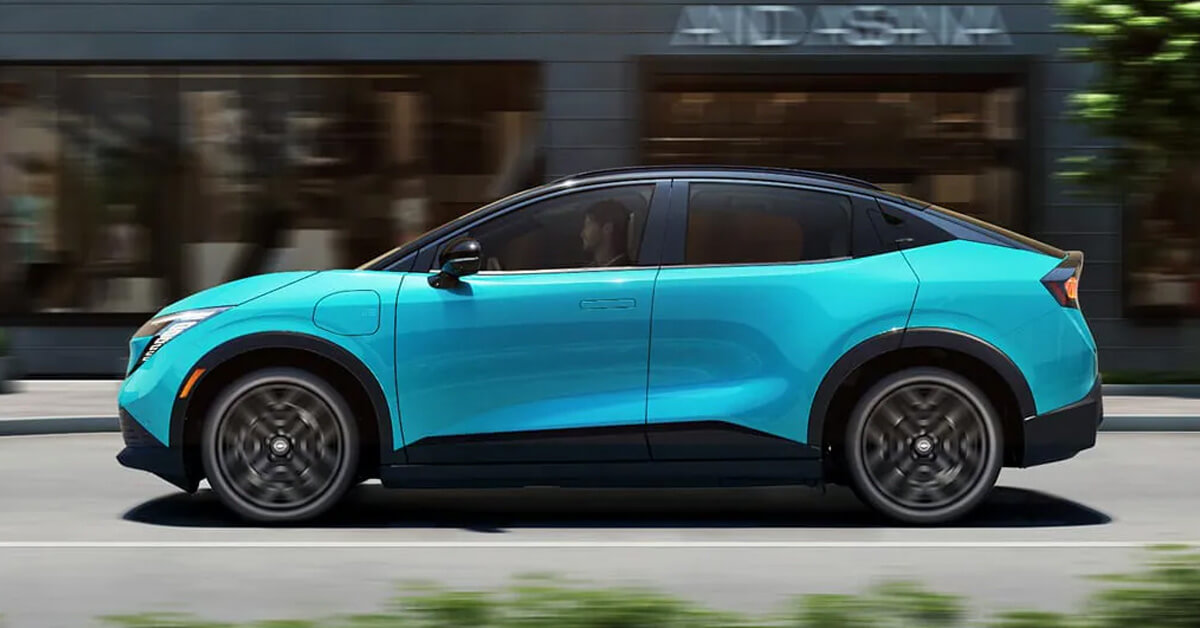
Choosing between the Nissan Leaf and the Toyota C-HR EV comes down to range, practicality, and driving style. The Leaf delivers proven efficiency and everyday ease in a compact design, while the C-HR EV brings crossover versatility with modern electric performance. Understanding how they compare in features, charging, and comfort makes it easier to select the right EV for your daily routine.
At Gardena Nissan, we are committed to helping drivers find the right vehicle with confidence and clarity. From exploring the Nissan Leaf to assisting with financing, service, and genuine parts, our team is here every step of the way. Visit or contact us today to learn more and experience electric driving firsthand.
What Should You Know About the Nissan Leaf and Toyota C-HR EV in 2026?
The shift to electric driving is no longer a future concept. It is happening now, and drivers comparing the Nissan Leaf and the Toyota C-HR EV are often looking for a balance of value, range, and everyday usability. When it comes to the Nissan Leaf vs. the Toyota CHR, the biggest difference starts with their purpose. One is a practical, proven hatchback built for efficient commuting, while the other leans toward a crossover design with a slightly more elevated driving feel.
Two Different Approaches to Everyday EV Driving
Think about a typical weekday. Stop-and-go traffic, errands, and short highway stretches. The Leaf was designed with exactly that kind of routine in mind. It has been on the road for years, refined and improved, making it one of the most recognizable electric vehicles for daily use.
The Toyota C-HR EV takes a different route. It builds on the familiarity of a compact crossover, which many drivers prefer for seating position and flexibility. That alone can influence how confident someone feels behind the wheel, especially when transitioning from a traditional gas vehicle to an EV.
Key Differences at a Glance
Here is a simple way to understand how these two models compare:
Body Style
- Leaf, compact hatchback, easy to park and maneuver
- C-HR EV, subcompact crossover, slightly higher ride height
Driving Focus
- Leaf, efficiency, and smooth commuting
- C-HR EV, versatility with a sportier edge
Experience Level
- Leaf, ideal for first-time EV buyers
- C-HR EV, appealing for drivers who want a familiar SUV feel
Why This Comparison Matters
Choosing between the leaf and a newer EV like the C-HR often comes down to lifestyle. If your priority is a straightforward, cost-effective electric car that fits seamlessly into your routine, the Leaf makes a strong case. If you want something that feels closer to a small SUV with a bit more visual presence, the C-HR EV becomes more appealing.
Drivers in busy areas like Torrance, Carson, and Compton often value convenience just as much as performance. Tight parking spaces, daily commutes, and frequent stops make factors like size, visibility, and ease of charging more important than ever.
Making the Right Choice for Your Drive
Both vehicles represent how far EV technology has come, but they serve slightly different needs. The best way to understand that difference is to experience it firsthand. A quick test drive can reveal how each model fits your daily routine, from seating comfort to acceleration in real traffic conditions.
If you are considering making the switch to electric, visiting Gardena Nissan is a smart next step. You can explore the Leaf up close, ask questions about ownership, and get guidance tailored to how and where you drive.
How Do the Exterior Designs and Body Styles Compare?
When looking at the Nissan Leaf next to the Toyota C-HR EV, the contrast is clear before you even step inside. The conversation around the 2026 Nissan Leaf vs. the 2026 Toyota CHR often starts with shape and presence because these two vehicles are built for slightly different lifestyles.
Hatchback Simplicity vs Crossover Confidence
The Leaf keeps things clean and compact. Its hatchback design is low to the ground, with smooth lines that prioritize aerodynamics and efficiency. That translates into easy parking, tighter turning, and less stress in crowded areas. If you regularly navigate busy streets or smaller parking spaces, this kind of design feels practical right away.
The C-HR EV leans into a crossover profile. It sits a bit higher, with a more sculpted and athletic look. There is a stronger road presence, which some drivers prefer for visibility and style. It feels more like a small SUV, even though it remains compact enough for city driving.
What Stands Out in Everyday Use?
Imagine pulling into a packed shopping center or squeezing into a narrow parking spot near a café. Body style makes a difference in those moments.
Leaf advantages
- Easier to maneuver in tight spaces
- Lower height for simple entry and exit
- Smooth, understated design
C-HR EV advantages
- Higher ride height for better road visibility
- Sportier, more aggressive styling
- Slightly more commanding stance
Cargo Access and Practicality
Both models offer rear hatch access, but the way you use that space can feel different.
- The Leaf keeps cargo loading low and straightforward, which is helpful when lifting groceries or everyday items.
- The C-HR EV provides a bit more height in the rear area, which can be useful for bulkier items or weekend gear.
For drivers running errands across areas like Torrance, Carson, or Compton, these small differences can add up over time.
Design That Matches Your Routine
Choosing between these two often comes down to how you move through your day. The Leaf fits seamlessly into a routine built around efficiency and ease. The C-HR EV adds a bit more personality and height, which some drivers find more comfortable and engaging.
If you want to see how the Leaf feels in real-world conditions, stopping by Gardena Nissan can help you get a better sense of its size, visibility, and everyday usability. A quick walk-around and test drive can make the decision much clearer.
What Are the Interior Features and Comfort Differences?
Step inside the Nissan Leaf and the Toyota C-HR EV, and the differences shift from styling to how each space feels during everyday use. Comfort, layout, and technology all play a role, especially for drivers who spend time commuting, running errands, or sitting in traffic.
Cabin Layout and Everyday Feel
The Leaf focuses on simplicity. The layout is clean, with controls placed where you expect them to be. Everything feels approachable, which is especially helpful for drivers transitioning to an EV for the first time. There is no steep learning curve, just a straightforward cabin that works.
The C-HR EV leans toward a more modern, driver-focused setup. The dashboard design can feel a bit more dynamic, with a slightly elevated seating position that gives you a better view of the road. For some drivers, that added height creates a stronger sense of confidence behind the wheel.
Comfort for Daily Driving
Think about your typical drive, whether it is a quick trip to the store or a longer commute across town. Seating and space matter more than you might expect.
Leaf interior highlights
- Supportive front seats designed for longer drives
- Quiet cabin, enhancing the smooth EV experience
- Easy entry and exit due to lower ride height
C-HR EV interior highlights
- Slightly higher seating position for improved visibility
- A more enclosed cockpit feel for a sportier vibe
- Flexible space that may better suit passengers and gear
Technology and Connectivity
Both vehicles bring modern tech into the cabin, but the experience can feel different depending on your preferences.
- Touchscreen infotainment systems with smartphone integration
- Available navigation tools and voice controls
- Digital driver displays with key driving information
In the Leaf, the tech is designed to be intuitive and easy to use right away. That simplicity pairs well with practical concerns like monitoring Nissan Leaf range, which is often front of mind for EV drivers planning their day.
The C-HR EV may offer a slightly more stylized interface, appealing to those who enjoy a more high-tech presentation.
Cargo Space and Flexibility
Interior comfort is not just about seating. It is also about how easily the vehicle adapts to your routine.
- The Leaf offers a flat cargo area that works well for groceries, bags, and everyday items.
- The C-HR EV may provide a bit more vertical space, which can be helpful for taller or bulkier loads.
For drivers making frequent stops around Torrance, Carson, or Compton, that practicality can make daily errands smoother and more efficient.
Choosing the Right Interior for Your Lifestyle
If you prefer a calm, user-friendly environment that prioritizes function, the Leaf stands out. It is comfortable, predictable, and easy to live with day after day. If you want a slightly elevated seating position and a more stylized cabin, the C-HR EV brings a different kind of appeal.
The best way to decide is to sit inside and experience it for yourself. Visit Gardena Nissan to explore the Leaf up close, adjust the seats, test the technology, and see how it fits your daily routine.
How Do Electric Range and Battery Performance Compare?
Range is often the first question drivers ask when considering an EV. It shapes how you plan your day, where you charge, and how confident you feel on longer drives. When comparing the Nissan Leaf and the Toyota C-HR EV, both deliver practical electric performance, but they approach it in slightly different ways.
Understanding Real-World Range
The Leaf has built a strong reputation for predictable, everyday range. Depending on the battery configuration, it offers enough distance for commuting, errands, and even longer drives with a bit of planning. For many drivers, especially those with consistent routines, that reliability becomes a major advantage.
The C-HR EV is expected to be competitive in this area, offering a range designed to match modern expectations for electric crossovers. While exact figures can vary, it aims to provide flexibility for both city driving and occasional highway trips.
What Range Means for Your Daily Routine
Picture a typical day that includes a commute, a grocery stop, and maybe picking someone up across town. Range becomes less about the maximum number and more about how comfortably the vehicle fits into your life.
Here is how both models generally align with everyday needs:
Leaf strengths
- Consistent and efficient performance for daily driving
- Ideal for predictable commutes and local travel
- Multiple battery options to suit different driving habits
C-HR EV strengths
- Designed for balanced range and versatility
- Suitable for drivers who mix city and highway driving
- Aimed at meeting newer EV expectations
Charging and Battery Convenience
Charging is just as important as range. Both vehicles support common charging methods, making it easier to stay powered up whether you are at home or on the go.
Home charging
- Convenient overnight charging using Level 2 equipment
- Ideal for starting each day with a full battery
Public charging
- Access to expanding charging networks
- Fast charging options available for quicker top-ups
For drivers around Torrance, Carson, and Compton, the growing number of public chargers makes owning an EV more practical than ever.
Efficiency vs. Flexibility
The Leaf focuses on efficiency. It makes the most out of every charge, which is why it remains a strong choice for drivers who value consistency and lower running costs. The C-HR EV, on the other hand, leans toward flexibility, offering a balance between range and the added practicality of a crossover design.
Finding the Right Fit for Your Drive
If your routine is steady and predictable, the Leaf offers a dependable electric experience that is easy to manage. For those exploring options like a Nissan Leaf for sale, it often stands out as a smart, accessible entry into EV ownership.
Seeing how range and charging work in real life can make all the difference. Visit Gardena Nissan to learn more about the Leaf, ask questions about charging, and get a clearer sense of how it fits into your daily schedule.
What Performance Differences Should Drivers Expect?
Performance in an EV feels different right from the first press of the accelerator. Both the Nissan Leaf and the Toyota C-HR EV deliver instant torque, but the way they translate that power into everyday driving creates two distinct experiences.
Acceleration and Power Delivery
The Leaf is known for smooth, predictable acceleration. It responds quickly without feeling aggressive, which makes it easy to drive in stop-and-go traffic or during short city trips. That calm, controlled feel is part of what makes it appealing for daily commuting.
The C-HR EV is expected to bring a slightly sportier edge. With its crossover stance and tuning, it may feel more energetic when accelerating, especially when merging onto highways or climbing inclines.
Leaf performance feel
- Smooth and steady acceleration
- Easy to control in urban settings
- Focused on efficiency over sportiness
C-HR EV performance feel
- Quicker, more responsive bursts of power
- Tuned for a more dynamic driving experience
- Better suited for drivers who want a bit more excitement
Handling and Ride Comfort
Handling is where body style starts to matter again. The lower profile of the Leaf keeps it planted on the road, which can feel stable and composed during turns. It is the kind of ride that feels predictable, even on uneven streets.
The C-HR EV, with its slightly higher ride height, offers a different perspective. It may feel more elevated and confident, especially when navigating traffic or driving through busier areas. Some drivers prefer that added visibility, while others lean toward the grounded feel of a hatchback.
City Driving vs. Highway Performance
Daily driving conditions often shape what performance really means.
- In city environments like Torrance, Carson, or Compton, the Leaf shines with its smooth braking, quiet ride, and easy maneuverability.
- On longer highway drives, the C-HR EV may feel more composed at higher speeds, with a bit more presence on the road.
Balancing Performance and Value
For many drivers, performance is not just about speed. It is about how the vehicle fits into your lifestyle while staying within budget. The Leaf offers a well-balanced approach, combining reliable performance with strong overall value. When considering factors like the 2026 Nissan Leaf price, it becomes clear why it remains a popular choice for those entering the EV market.
Experience the Difference Firsthand
Numbers and specs only tell part of the story. The real difference comes through when you sit behind the wheel, feel the acceleration, and take a few turns on familiar roads.
Visiting Gardena Nissan gives you the opportunity to experience how the Leaf performs in real conditions. A short test drive can quickly show whether its smooth, efficient driving style matches what you are looking for in your next vehicle.
Which EV is more fuel-efficient, the 2026 LEAF or the 2026 CH-R?
The Nissan Leaf is generally more energy-efficient, especially in city driving, because of its smaller size and lighter weight compared to the Toyota C-HR EV.
What is the range of the 2026 Nissan LEAF compared to the 2026 Toyota CH-R?
The Nissan LEAF offers an estimated range of up to about 212 miles (based on the LEAF SV PLUS), while the Toyota C-HR EV does not yet have officially confirmed U.S. range figures, though it is expected to be competitive with other compact electric crossovers.
What are the charging options, and how long does it take to fully charge a 2026 Nissan LEAF?
A Nissan LEAF can be charged using Level 1 (120V), Level 2 (240V), and DC fast charging, with full charging taking about 40 hours on Level 1, 7 to 11 hours on Level 2, and up to 80 percent charge in about 40 to 60 minutes with DC fast charging.
What are the charging options, and how long does it take to fully charge a 2026 Toyota CH-R?
The Toyota C-HR EV is expected to support Level 1, Level 2, and DC fast charging, but exact charging times have not been officially confirmed, though similar Toyota EVs typically reach 80 percent charge in about 30 minutes using DC fast charging.
How do the EVs compare in prices?
The Nissan LEAF typically starts at a lower price point, with recent models starting around $29,990*, while the Toyota C-HR EV pricing has not been officially announced but is expected to be higher due to its newer platform and crossover design.
Where Can You Take the Next Step Toward Driving Electric?
Choosing between the Nissan Leaf and the Toyota C-HR EV becomes much clearer when you experience the details in person. From how the Leaf handles daily traffic to how easily it fits into your routine, real-world driving tells the full story in a way specs alone cannot.
At Gardena Nissan, drivers from Torrance, Carson, and Compton can explore a wide selection of vehicles, including the Leaf, with guidance at every step. Whether you are comparing EV features, asking about charging, or planning your budget, our team is here to make the process simple and informative.
Explore More Nissan Features and Capabilities
If you are interested in how Nissan continues to innovate across its lineup, there is more to see beyond electric vehicles. You can also learn about features designed for performance, durability, and off-road capability.
- See how rugged styling and protection come together in the Nissan Frontier Dark Armor package.
- Learn what sets the Frontier Pro-4X Roush Edition apart from other midsize trucks.
- Understand how different Nissan Frontier drive modes adapt to changing road conditions
Exploring these topics can give you a broader view of how Nissan designs vehicles for a wide range of driving needs.
Connect With a Team That Understands Your Needs
Finding the right vehicle should feel straightforward, not overwhelming. Whether you are ready to move into an EV or still weighing your options, having a knowledgeable team makes all the difference.
Visit Gardena Nissan to take a closer look at the Leaf, ask questions, and get a feel for how it fits your lifestyle. You can also call or reach out online to get started. Your next vehicle, and a better driving experience, could be closer than you think.
Contact Gardena Nissan
Get Directions to Gardena Nissan
Disclaimer: All information is provided for general informational and entertainment purposes only. While we strive for accuracy, we cannot guarantee that all content is complete, current, or error-free. Any reliance you place on such information is strictly at your own risk. This article may include opinions and is not endorsed by, or officially affiliated with, any vehicle manufacturer or brand. Always consult official sources – such as the vehicle’s owner’s manual, authorized dealerships, or certified professionals – for the most up-to-date and personalized information.